Learning Center

getting started

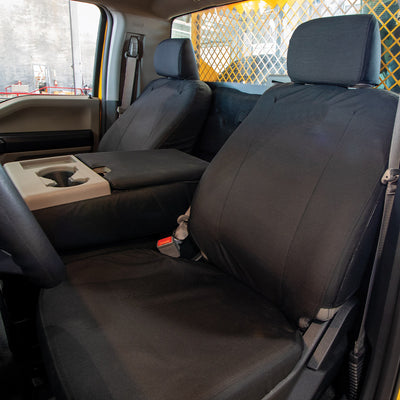
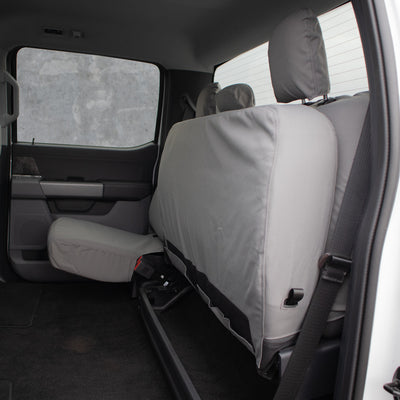
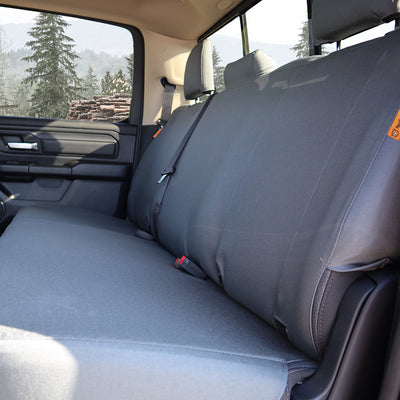
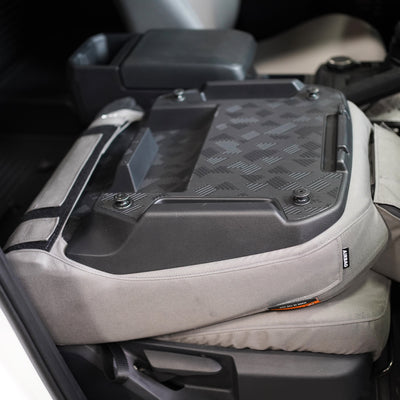
How to Install TigerTough Seat Covers and What to Expect

Each TigerTough custom seat cover is shipped with step-by-step color instructions on installing them on the exact vehicle they were specifically designed for. 


So if you ordered seat covers for your 2022 Toyota Tacoma, you’ll get instructions on how to install those covers in a 2022 Toyota Tacoma. Pretty nice, right?


There are covers in the seat cover world that look awful because the installation process is confusing or inadequate. It’s a common problem with seat covers. We addressed this head-on by making installation as straightforward as possible.


And if you toss your instructions aside in a moment of confidence and need a few pointers along the way, you’re in luck, because we record installation videos for every vehicle


Since each vehicle is different, each seat cover install will be different. 


We’ll walk you through what a typical installation looks like.


Watch the video version


Before you start 


  1. Lift and remove the headrest.
  2. Lean the seat back.
  3. Remove any straps on the underside that hold the carpet up.
  4. If you have a Ford, unclip the plastic connectors under the seat–they might feel like they’re going to break, but they will come off.


Installing the seat bottom cover


  1. Make sure you start with the correct seat cover–passenger and driver’s seats are different, so just look for the tag.
  2. Line the seams up.
  3. Push the top flap of the seat cover between the seat back and the seat bottom.
  4. Take the strings and put one between the seat and the center console and cover and one between the seat cushion and plastic on the door side. These need to go down and under the seat, not straight back and behind the seat.
  5. Tuck the cover between the cushion and the plastic trim around the seat.
  6. Go behind the seat and find the strings you ran through the sides of the seat.
  7. Run them under the seat. Look at your specific instructions to see if you need to run them behind or in front of the seat mounts. 
  8. Pull them as tight as you can.
  9. Find the StringLock.
  10. Run the strings through each side of the StringLock as tight as possible and clamp it (the tighter, the better!).
  11. Run the front seat flaps over any seat-adjusting bar and under the seat.
  12. Pull tight on the front and back flaps and fasten them underneath the seat.


Installing the seatback cover


  1. Make sure the airbag tag is on the door side of the seat.
  2. Slide the cover over the seat.
  3. Press the cover down around the plastic headrest mounts.
  4. Go to the back and tuck the carpet flap up into the seat cover.
  5. Push the front flaps through the seat crease and fasten them on the backside.


Lastly, install the headrest cover


  1. Put the headrest back in, but don’t put it all the way down.
  2. Take the cover and make sure the long flap is in front.
  3. Tuck the flap to the back and secure it.
  4. You can put the headrest down now if you’d like.


How easy was it?


We’ve installed other seat covers (check out this Carhartt install we did) and must admit that ours take longer. Since our covers come in multiple pieces, you’ll get a better fit, but it will take a little while to get those pieces where you want.


We say to expect to spend up to 45 minutes per seat on installation. 


According to Hunt Tested:


“If you’re looking for a seat cover that you can throw on for the weekends and then take off during the week, this cover is likely not the best choice. While you certainly can remove and reinstall these covers, the process is involved enough that I wouldn’t want to do it frequently. To get a precision fit, you give up being able to quickly and easily take the covers on and off.”


Wrapping it up (see what we did there?)


These aren’t the easiest to install, but they’re also not rocket science. If you’ve ever stepped foot on a job site, you can install these. And we can assure you that every installation step helps give you the best-looking fit on your new seat covers. 


Every vehicle installation is going to vary a bit. But we won’t leave you in the dark. You’ll get detailed instructions, an install video, and you’re always welcome to contact us if you’re stumped. And if you want to skip the installation altogether, check out one of our 850+ dealers.


Read article

Will seat covers ruin leather seats?

Considering seat covers for your vehicle's leather seats? It's a decision many drivers think about. Leather is a premium material that demands thoughtful care, and the pressing question is whether seat covers help or harm leather seats.

For the most part, no, seat covers won't ruin your leather seats.

They're generally seen as a protective layer, guarding against daily wear and tear, spills, and sun damage. However, not every seat cover is suitable for leather. Some may negatively impact the material over time, like the ones that can trap moisture and adhere to the leather.

Understanding Leather Seats and Seat Covers

While those leather seats are pretty sturdy on their own, they can absolutely benefit from the extra protection that seat covers bring. It's all about keeping them in prime condition for as long as possible, and that's a job seat covers do pretty well, if we say so ourselves.

Leather seats are tough yet tender

Leather's durable, but it's not invincible. Constant sun exposure, the daily in-and-out, and the occasional coffee spill can leave leather looking worn and faded. Leather is also porous, so it absorbs spills, odors, and oils over time and needs some regular care to stay in tip-top shape.

Seat covers are your leather seat’s BFF

Think of seat covers as a shield for your leather: they keep the bad stuff (UV rays, spills, dirt, grease, pet hair) off your seats while still allowing the leather to breathe. The right seat cover protects your leather from the everyday abuse that ages it fastest, helping you preserve both the look and the resale value of your vehicle.

Do Seat Covers Protect Leather?

Yes, the right ones do. Seat covers are one of the best ways to protect leather seats. Here's what they guard against:

  • UV damage: Prolonged sun exposure causes leather to dry out, crack, and fade. A quality seat cover blocks UV rays entirely.

  • Spills and stains: Leather is porous and difficult to deep-clean. A seat cover takes the hit so your leather doesn't have to.

  • Wear and friction: Daily in-and-out causes surface abrasion over time. Seat covers absorb that friction instead.

  • Pet scratches: Claws and nails can quickly scratch or puncture leather. A tough fabric cover is a much cheaper fix than reupholstering.

You need to choose a cover that doesn't trap moisture, doesn't chemically react with your leather's finish, and fits well enough that it doesn't shift and create friction underneath.

How to Protect Leather Car Seats

Here are the best practices to maintain your leather seats:

  1. Clean your seats before installing covers. Dirt or moisture trapped under a seat cover can cause mold, mildew, and accelerated wear. Give your leather a thorough clean and let it dry completely first.

  2. Choose breathable materials. Seat covers made from breathable fabrics (like high-quality canvas or CORDURA) allow air circulation so moisture doesn't get trapped against the leather.

  3. Avoid foam-backed covers on freshly conditioned leather. If your leather was recently conditioned, wait a few days before installing foam-backed seat covers. The conditioner and foam can react in ways that damage both the cover and the leather's surface finish.

  4. Ensure a proper fit. A loose seat cover shifts around and creates friction which is exactly what you're trying to avoid. Choose covers designed for your specific make and model.

What are the best seat cover materials for leather seats?

The best overall choice for leather seats is heavy-duty canvas or woven fabric. Tough woven fabrics like TigerTough's seat covers are breathable, durable, and won't chemically react with leather. They sit against the seat without trapping heat or moisture, and they're machine washable, which makes them easy to maintain. If you're using your vehicle for work or hauling gear regularly, this is the go-to.

Our favorite seat cover brands for leather seats are:

  • TigerTough (obviously)

  • Carhartt

  • Marathon

  • Northwest

Materials to avoid on leather seats

These are our opinions, backed by a few facts. We absolutely suggest doing your own research to determine what you’re comfortable with. 

Neoprene Seat Covers

A solid option for active or outdoor use. Neoprene is waterproof and easy to wipe down, which makes it popular for off-roaders and water sports enthusiasts. The tradeoff: Neoprene is less breathable than woven fabric, so it can trap more heat in hot climates. It's generally safe for leather as long as it's installed on clean, dry seats, but if you’re not one to baby your truck or your seats, maybe avoid neoprene.

Faux leather or leatherette seat covers

A lot of people like the way these look, and they’re easy to wipe clean, but they're not the best choice for protecting genuine leather underneath. Leatherette doesn't breathe, so over time it can trap heat and humidity against your leather seats. Better for aesthetic upgrades on cloth seats than for protecting premium leather.

Cheap Foam-Backed Covers

Low-cost foam-backed covers are the most likely to cause problems on leather. The foam backing can interact with leather conditioners and UV-protectant treatments, potentially degrading both materials. If you're going foam-backed, make sure your leather hasn't been recently treated.

Seat Covers on Heated Leather Seats

One of the most common questions we get with leather seats: can you put seat covers on heated leather seats?

Yes, in most cases, seat covers are safe to use with heated leather seats. Here's what to keep in mind:

  • Check the seat cover material. Thinner, more breathable fabrics transfer heat more efficiently. Very thick or insulating materials may reduce how well you feel the heat, but they won't damage the heating element.

  • Never use seat covers that aren't designed for heated seats on seats you regularly heat. The repeated heat cycles can cause ill-fitting covers to shift, bunch, or wear unevenly.

  • Avoid covers with metal hardware near the seat surface. Metal components like rivets can become uncomfortably hot and potentially scratch leather when the seat heats up.

We put various materials to the test in the dead of winter to see which ones worked best with heated seats. Check out the test results.

Frequently Asked Questions

Will seat covers damage leather seats?

No. Quality seat covers protect leather seats rather than damaging them. The risk comes from using the wrong type of cover (like foam-backed covers on freshly conditioned leather) or installing them over dirty, damp seats.

Do seat covers protect leather from cracking?

Yes. UV exposure is one of the leading causes of leather cracking and fading. A seat cover blocks sunlight entirely, dramatically slowing the aging process.

Can you put seat covers on leather heated seats?

Yes, seat covers are generally safe for heated leather seats. Choose breathable, properly fitting covers and avoid thick insulating materials that block heat transfer.

What type of seat covers are best for leather seats?

Breathable, woven fabric seat covers are the best choice for leather. They protect against spills, UV, and wear without trapping moisture or heat against the leather surface.

Protect your leather seats

Seat covers and leather seats are a great combination, as long as you choose the right cover. Look for breathability, a proper fit, and clean installation. Skip the cheap foam-backed options, and you'll find that seat covers are one of the best investments you can make in protecting your leather's long-term condition and your vehicle's resale value.

Ready to protect your leather seats? 

Read article

WeatherTech Seat Protector Review

It might seem weird that we're reviewing seat covers that aren't ours.

We already compared WeatherTech Seat Protectors with TigerTough seat covers. But we wanted to give these a separate review. After all, if we want to make the best seat covers in America, we better know what other seat cover companies are doing well.

We know WeatherTech makes incredible floormats. They’ve been in the business since 1989 and are well-known in the industry for their floor protection. A few of us at TigerTough even rock their mats in our trucks.

But when we were researching our Best Work Truck Seat Covers article, WeatherTech Seat Protectors were mentioned as an option for work trucks. Since we love their floormats, we had high expectations for their seat covers. So we ordered a single cover to fit a 2023 F150 XLT passenger seat to try our best to give an unbiased review.

Let’s see how it holds up.

Watch the video review

Ordering and shipping

WeatherTech wastes no time in shipping. We received our order in just two days!

WeatherTech and TigerTough shipping packages
WeatherTech shipping package vs. a TigerTough shipping package

The seat cover arrived in a plain brown box. This doesn’t affect our review, but we know their floormats come in a branded box, and it’d be cool to see that same thought put into shipping their covers.

Inside the box was the cover, wrapped in protective plastic, an invoice, and the installation instructions. No swag or fanfare. It was just a straightforward package. 

Design and appearance

The weird thing is, WeatherTech does an excellent job of showcasing their Seat Protectors on the rear bench seats of vehicles in their stock photos, but you need to dig a little to find the covers shown on a bucket or captain seat.

WeatherTech Seat Protector on a Ford F150 bucket seat
WeatherTech Seat Protector installed

But once we installed the set we ordered on our Ford F150, we had that a-ha moment about why WeatherTech didn’t put their bucket seat covers in the spotlight.

It turns out they only offer six different fits for their seat covers–this fit is far from custom, despite searching for a specific vehicle when ordering. It reminds us of those weighted vests the dentist makes you wear before taking x-rays. 

This is a one-piece seat cover, so you won’t get an attractive fit.

The lack of a headrest cover doesn’t help the appearance of an apron, so when you open the door, you can immediately tell this is a seat cover. Also, any grime from your head will still transfer to the headrest. That won’t help with resale value.

Fit

It’s crucial to point out that WeatherTech advises you not to install their seat covers on seats with side airbags. A standard consumer probably doesn’t realize that these airbags were being placed in vehicles starting in the 1990s. As of 1997, a mandate was put in place that all passenger-side seats contain airbags.  

WeatherTech airbag warning on instructions
WeatherTech warns not to install their Seat Protectors if the side impact airbag is compromised

That means you shouldn’t put WeatherTech Seat Protectors on any passenger seat of a vehicle made after 1998. They could work on airbagless rear captain seats if your vehicle has those, but they wouldn't work on the seats of the Ford F150 we tried them on.

WeatherTech Seat Protectors have a strap that covers the side impact airbag
A side strap covers the side impact airbag tearaway seam

Let’s just skip right past that red flag and move on to the control panels. 

WeatherTech seat cover skirt covering the control panel on the passenger's seat on a Ford F150
The skirt of the Seat Protector covers the control panel on a Ford F150

The front skirt of the Seat Protectors went over the side control panels of our Ford F150 passenger seat. So if we needed to adjust the seat, we’d have to pick up that fabric curtain to access the controls. That’s not a deal-breaker, but it's inconvenient.

But the back of the seat is a different story.

Back of the WeatherTech Seat Protector
Back of the Seat Protector

The back of the seat isn't covered by anything beyond the hook and loop straps that secure the Seat Protector. This might not be a big deal if you don't have passengers in the second row. But either way, it's not going to give you a secure fit.

Despite claiming their seat covers are semi-custom, having six varieties for thousands of different vehicles won’t give you a custom fit.

Manfred from Connecticut was disappointed with how they fit his 2018 Ford F150:

“I found the quality of the material good. The elastic to hold the fabric up against the seat was not very strong and unable to tighten, allowing the back to sag. The ‘grippy’ material on the bottom does not work well with leather seats allowing the bottom to slide forward. It is almost impossible to access the seat belts. There is no way to secure the bottom to the seat allowing the cover to ride up.

“All in all, for a cover that you advertise as a ‘custom’ fit, it is very poorly designed. I have been using the cover for two weeks. For the price and ‘custom’ fit, I expected much better.”

Material

According to their site, the seat covers are “made from a polycotton twill fabric featuring a water-repellent finish, and an extra layer of nylon lining.” 

We’re always fans of anything that will protect your seats from spills. Waterproof would be better, but we won’t be upset over water-repellent. Just get to those messes quickly before any liquid seeps into your seats. 

But the non-slip backing is questionable. Reviews say that it doesn’t work on leather. Dave tried them on his 2014 Ford F150 with leather interior:

“Purchased cover for backseat. So disappointed. Does not stay in place on the leather seats. Keeps folding up. The whole thing is cheap what we got. I'm sorry....but not good. Seats were full of mud on our trip. A blanket would have served better.”

That grippy material on the back is similar to a foam shelf liner. No, we’re not being snarky; that’s what it’s like.

Backing on a WeatherTech Seat Protector
Backing on a WeatherTech Seat Protector resembles non-slip shelf liner

Installation

Installation was quick. We were able to install it in under three minutes. There’s a strap that goes behind the seat and one that goes under. There’s an additional clip that goes around the headrest. Note that if you don’t have headrests, you won’t be able to install this seat cover. 

We’re happy to report that a novice could install these. 

Effectiveness

We didn’t do any of our torture tests with these seats, so we suggest checking out the reviews on the WeatherTech site from people who’ve used these covers in action. They’ll be able to tell you how these have held up in the long run. 

Spoiler alert: Only 50% of customers would recommend the covers. 

Warranty

Here’s where we can give WeatherTech some points. They offer a limited lifetime warranty on their Seat Protectors.

If anything goes wrong with the cover that you couldn’t prevent, WeatherTech will help you out.

Value

The WeatherTech Seat Protectors cost around $300 for a pair of bucket seats. That’s not cheap. And when you consider that the covers don’t protect the back of the seats or the headrest, and you’d have to pay an extra $55 per seat for a seat back protector, you’re looking at over $400 to fully cover your front bucket seats. 

If you have $400 to spend on a pair of seat covers, there are other brands we think you’ll be happier with.

Summary

We wanted to like these but just couldn’t.

On rear bench seats, these could work well for pets or equipment. (Especially if you don’t need the middle seat because center seatbelts won’t be accessible.) If you’re not hauling around humans, this could be a good option, and the humanless options seem to be what positive reviewers are using these for.

But even then, WeatherTech reviewers give the Seat Protectors 3.2 stars out of 5. That’s a 64%, and if we were still in high school, they’d be getting a D. Not something we’d brag about. 

Let’s face it; seat covers aren’t WeatherTech’s bread and butter. They’re known for floormats and other vehicle accessories. So although we love WeatherTech, we wouldn’t recommend their seat covers, and we’re not just saying that as a seat cover company; we’re saying this based on research, testing, and verified customer reviews.

Mike from Pennsylvania gets how we feel:

“I gotten many items from Weathertech over the years. All top grade. But the front seat protector I just purchased is awful. Looks bad, doesn’t fit well, uses Velcro attachments. Just awful. I have it two weeks. Constantly had to refit and re-adjust Velcro. I gave up and took it off. $150 bucks for an absolute failure. Stick to floor liners. Those work great.”

If you’re ready to invest in seat covers that last, take a look at these favorite brands

Read article

Can you put seat covers on air-conditioned seats?

Imagine this: It's mid-July, you're coming off a roofing job, and the sun has been relentless. But the moment you climb into your truck, that sweltering heat fades away—thanks to your air-conditioned seats. 

But here comes the hitch—what happens when you want to protect these high-tech seats? The question pops up often: "Can you put seat covers on air-conditioned seats?" The answer isn't a simple yes or no; it's more nuanced. Yes, you can certainly outfit your ventilated seats with covers, but the seat cover you choose makes a difference.

Seat covers on air-conditioned seats? Absolutely doable. However, not all seat covers are up to the task, especially when accommodating the sophisticated functionality of ventilated seats. The trick is finding the right kind that complements the seat's built-in cooling features.

How Air-Conditioned Seats Work and Why Cover Them

Quick lesson time. A/C seats are more than just a cool feature (see what we did there?); they're a sophisticated system.

At their core, these seats use small fans within the seat itself to circulate air. This system draws air through the seat's fabric, often through a mesh layer, and across your body to provide a cooling sensation. For some higher-end models, this technology goes a step further by incorporating temperature-controlled air that can either cool or warm you, depending on the setting.

So, why would anyone want to cover up such an innovative feature? Protection is the primary motivator. Like any other part of your vehicle, seats are prone to wear and tear, but they see the brunt of it. Spills, stains, and even sliding in and out will ruin your seat's material over time. Seat covers offer a protective barrier so your investment remains in top condition. And ultimately, they improve your resale value.

But the wrong cover can block airflow, making the seat's cooling function useless. By choosing wisely, you can enjoy the best of both worlds—enhanced durability and maintained comfort, all without sacrificing the cooling feature.

Choosing the Right Seat Covers for Air-Conditioned Seats

Selecting the right seat covers for your air-conditioned seats isn't just about aesthetics; it's about preserving the functionality that makes these seats a coveted feature in the first place. The goal is to add protection without sacrificing cool comfort. 

Compatibility Is Important

First and foremost, make sure the seat covers you're considering are compatible with air-conditioned seats. Manufacturers often specify if their covers allow for air to circulate.

Breathable Materials Make a Difference

The magic word here is "breathability." You need cotton, nylon, or polyester that allows the seat to breathe. Avoid leather and pleather options…for more than just one reason.

Features That Enhance Airflow

Some seat covers go the extra mile by incorporating features that enhance airflow. Look for covers with integrated perforations or vented sections that align with your seat's ventilation points. These design choices can make a significant difference in maintaining the effectiveness of your seat's cooling feature. And yes, you’ll pay more for them.

BUT…since they have perforations to help the air go out, they’ll also let all the dirt/sweat/spills in. So, they’re protection score plummets.

Things to Avoid with Seat Covers on AC Seats

When outfitting air-conditioned seats with covers, a common trap is picking materials that work against you. While upscale in appearance, leather, and faux leather are prime examples of what to steer clear of. These materials may look sleek but tend to insulate rather than ventilate, smothering the seat's ability to breathe and cool you down.

Here's another thing to avoid: foam-backed seat covers. It’s just one more layer between you and sweet, cooling relief.

Choosing the wrong seat cover can effectively cancel out the benefits of your AC seats, leaving you warmer than you'd like, regardless of the settings. So get seat covers that promote airflow and are compatible with your vehicle's specific cooling technology.

Recommended Types of Seat Covers for Air-Conditioned Seats

When it comes to keeping cool with air-conditioned seats, not just any seat cover will do. You'll want something that complements the system rather than compromises it. 

Breathable fabrics designed to allow air to circulate freely are key for maintaining the cooling effect of your seats. But keep in mind that even with these seat covers, you may not feel that breeze on your behind like you can without seat covers because the covers will act like a bit of blocker. Like if you cover your air vents with a piece of fabric, you’ll still feel the cool air, but it just won’t be so gusty. 

Specific brands that get our nod for doing it right with air-conditioned seats include:

Carhartt Known for durable, high-quality products, their seat covers are no exception and offer options that don't impede your seat's cooling functions. They aren’t the most durable of the options, but they’ll get the job done.
Marathon With a focus on endurance and comfort, Marathon's seat covers blend well with ventilated seats, ensuring breathability.
Northwest They make a seat cover exclusively for heated and cooled seats.
TigerTough Our very own seat covers are designed with the needs of hardworking folks in mind, ensuring that comfort, durability, and breathability are top priorities, making them a perfect match for air-conditioned seats.

Choosing the right seat cover means you won't have to sacrifice comfort for protection.

Compared to Heated Seats

So here’s the secret: if seat covers are okay with heated seats, they’re probably just fine with cooled seats, too. Heated and cooled seats work differently, but if you’re allowing your seats to breathe with the seat cover, you’ll get the benefits of heated and cooled seats. 

When in doubt, contact the manufacturer and ask.

So, yeah…

You can absolutely team up seat covers with your air-conditioned seats—just make sure you're picking the right partners. Remember, the goal is to pair up without compromising those cool breezes. Think about what you need from a seat cover and the features that matter most to you, then choose accordingly.

Read article

Ruff Tuff vs. TigerTough Seat Covers

Over at Ruff Tuff, they take pride in their work just like we do at TigerTough. They're family-owned and have been in the custom seat cover game since 1976, crafting their products right here in the USA. They stand by creating high-quality seat covers with precise patterns and durable fabrics, ensuring each cover fits snugly and lasts long.

They’ve got a variety of different seat cover lines, but we ordered a set of their Dura EZ-Care covers for 2023 Ford F-150 to compare them with TigerTough seat covers.

Let’s see how they do.


The Delivery

Ruff Tuff Packaging

These arrived in a branded big ole brown box. Inside, we found the seat covers protected with plastic, something that looked like a plastic tongue depressor, and super detailed instructions. There are lots of words on those instructions and not many photos, but we’re okay with reading. 

A really cool thing they do is put a QR code on the seat cover tag so that you can easily get to the installation instructions and videos.

Ruff Tuff QR code landing page screenshot

TigerTough Packaging

When your TigerTough seat covers arrive, they come in a branded poly mailer. We don’t get fancy with boxes when shipping is cheaper and easier with polymailers. You’ll also get a set of full-color instructions tailored to your vehicle's make and model. Say you've got a 2019 Nissan Frontier, you'll receive a set of guidelines crafted precisely for fitting TigerTough covers to your Frontier's seats for a smooth installation process.

Design and material of the seat cover

Ruff Tuff Design and Material

We contacted Ruff Tuff’s customer service, and they say their Dura EZ-Care material is made of “a 600 Denier polyester blend canvas material.” It’s a sturdy fabric and feels really durable. The site says they’re water-resistant and great for kids and pets. There’s a foam backing on the portions you’d come in contact with, like the seat back and bottom.

They have decorative stitching along the back, which looks nice, but it’s something we don’t suggest because it makes the seat cover weaker. If you’re going for looks over durability, then have at it!

TigerTough Design and Material

We craft each cover in three separate parts for a complete fit, similar to Ruff Tuff's method, yet we stay true to using 1000-Denier CORDURA throughout for unmatched durability.

The fabric of our seat covers is rigorously tested to handle the harshest conditions. We avoid any fancy stitching that might compromise durability, opting only for embroidery in low-wear zones, which won’t affect the cover's integrity.

Installation

Ruff Tuff Installation

We spent about 10 minutes installing the Ruff Tuff seat cover. And the tongue depressor stick it came with was really handy! In fact, we’ll keep it around to install future covers and save some fingers in the process. That’s a genius addition to the shipping box.

Here’s how their seat covers are attached:

  • The seat back fits snuggly and velcros to the seat itself
  • The seat bottom has straps that run under the front and back that fasten under the seat
  • There’s also a string that runs from side to side that you tie underneath the seat

Ruff Tuff buckles

TigerTough Installation

Getting TigerTough seat covers on your seats can be a pain. It takes us about 9 minutes for a complete installation, and we’ve been doing this for a while. Though we've got the process down, even those new to our covers should find it a straightforward task with just a tad more time.

We offer in-depth guides and installation videos customized for each vehicle model.  

Here's how TigerTough seat covers fit into place:

  • The cover for the seat bottom extends under the entire seat, firmly securing itself with robust hook & loop fasteners (that’s the generic term for Velcro).
  • Our unique StringLock system encircles the base of the seat bottom, pulling everything snugly together under the seat just like a drawstring, making sure the cover stays put without any slip or slide.

Check out our full installation expectations to learn more.

Headrest

TigerTough and Ruff Tuff seat covers side by side

Ruff Tuff doesn’t include headrest covers as a standard feature. We didn’t realize this when ordering–whoops, so we can’t review this portion of the seat cover. But we will say that we believe headrest covers should be standard. If your vehicle’s interior needs seat covers, it’s in need of headrest covers, too.

Headrest covers are an additional $68 in the Ruff Tuff Dura EZ-Care option.

Seatback

The backs of TigerTough and Ruff Tuff seat covers with optional pockets

Ruff Tuff Seatback

The seatback cover fits really well, with detailed stitching and foam backing. We typically don’t recommend foam in a seat cover because it degrades over time and can leave the cover baggy. It won't affect function, but it will affect fit.

PSA about foam: Just like the cushioning in your work boots, foam starts out supportive and snug, but over time, it compresses and loses its oomph. When that happens, those boots don't fit the same, and you don't get the same support. It's the same deal with foam in seat covers.

Ruff Tuff has seatback pocket options available, which we love.

TigerTough Seatback

Our seat covers hug the back of your seats tightly for a glove-like fit. For customization, you can add a seatback pocket and embroidery. 

Seat crease and bottom

TigerTough and Ruff Tuff seat cover bottoms

Since both seat covers are made from multiple pieces, they both have clean-looking creases that fit the seats well.

They also tuck into the seat bottom's plastic trim, allowing access to the seat controls. You might think this is a standard in seat covers, but we’ve met some that cover up your controls.

Airbag safety

Since 2014, vehicles have required side airbags, thanks to federal regulations. These lifesavers are often tucked right into your seat. And they've been pulling their weight for a long while, with the National Highway Traffic Safety Administration tallying up over 2,000 lives saved by side airbags from '96 to '12. Back then, less than half the vehicles on the road had 'em, but now? They're pretty much everywhere.

Any seat cover company worth its salt knows how crucial safety is, whether it's just your own work truck or a whole fleet you're running.

Airbag safety with Ruff Tuff and TigerTough seat covers

Ruff Tuff Airbag Compatibility

Ruff Tuff’s approach to airbag safety is interesting. The version we received has the entire side seam come apart with velcro. So, in the event of a collision, the airbag will deploy and break through the velcro-secured side. They have another version with simply a cutout for the airbag to deploy. The version you get is based on your vehicle.

TigerTough Airbag Compatibility 

Every TigerTough cover's got a tearaway seam right down the side—so if your airbags need to bust out, they can do their job with no problem. Independent labs have tested our covers to ensure they’ll do what they need to do in a collision. Here's to hoping you'll never need it, but you're good to go if you do.

Warranty and Returns

Ruff Tuff Warranty and Returns

Ruff Tuff offers a limited one-year warranty against manufacturer’s defects under normal use. Pretty standard, but not impressive.

Unfortunately, their covers aren’t returnable (except for their Flex OPS line). So make sure you really want these covers before you confirm the order. Because once you get them, they’re yours for life. 

TigerTough Warranty and Returns

Our vehicle seat covers have a two-year, unconditional warranty. And we mean that. If they somehow get damaged in whatever it is that you do in your vehicle, we’ll replace or repair them. We stand by our covers. 

If you don’t like your TigerTough seat covers, we’ll accept returns within 30 days of you receiving them. You just need to be sure they’re in like-new condition.

Price

This is why you’re ultimately reading this, right? Seat covers can have a crazy range in prices. So, for comparison, we used a 2023 Ford F-150 for spec. 

How much does Ruff Tuff cost?

We ordered a set of their Dura EZ-Care seat covers for $367. But don’t forget–we didn’t get headrest covers with our order, so we’d have to spend another $68 on those. 

For full-coverage with Ruff Tuff, you’re looking at about $435. We also had to pay $25 for shipping. We won’t add that to the total price of these seat covers, but that’s something to consider.

Update: As of 5/19/2025, the same seat covers will cost $383 plus $72 for headrest covers for a total of $455.

How much does TigerTough cost?

To fully cover your two front seats with TigerTough, it will cost around $317. We give you free shipping on any $100+ order within the 48 contiguous states.

Overview

It all comes down to what you want and what your budget allows. For what it’s worth, we think you’ll get everything you need from TigerTough at a pretty good savings compared to Ruff Tuff. We’d say that even if ToughTough wasn’t signing our paychecks.

Ruff Tuff is a great option that will work hard for you. We wish they came with headrest covers, and maybe had a better way to fasten the string underneath the seats. But they’ll absolutely get the job done.

If you want something rugged and meant to withstand hard use, like construction environments or excited farm dogs, we’d encourage you to try TigerTough. Because hey, if you order them and hate ‘em, they’re returnable. And bonus: You can’t destroy them (and even if you manage to, we’ll replace them in the first two years).

Maybe after reading this comparison, neither of these brands really work for you. That’s cool, but you should definitely check out the best seat covers for work trucks and find something that meets your needs.
 

Ruff Tuff TigerTough
Cost $455* $317
Stars 4.3 4.9
Turnaround Time ~ 2 weeks ~ 2 weeks
Warranty Limited 1 year Unconditional 2 years
Material 600 Denier Poly-Canvas Blend 1000 Denier CORDURA®️
Waterproof Water-resistant ☑️
Airbag Safe ☑️ ☑️
Colors/Patterns 7 8
Airbag Safe ☑️ ☑️
Made in the USA ☑️ ☑️
Seatback Pockets Optional Optional

*Price based on purchasing with headrest covers. 

Read article

Can you put seat covers on heated seats?

Heated seats in your truck are nearly a must-have in chilly weather (just ask us, we’re from Minnesota). Some of our customers ask us: is it safe to put seat covers on heated seats? 

Let’s clear the air and get down to the facts about protecting your heated seats without losing their warming benefits.

Yes, you can put seat covers on heated seats, but with caution. The key is choosing the right type of seat cover that allows heat to pass through without causing damage to both the seat and the cover.

Material Matters

Not all seat cover materials are suitable for heated seats. Thin, breathable materials like polyester, CORDURA®, or certain blends are typically safe as they allow efficient heat transfer. Avoid materials that are too thick, foam-backed, or insulated, as they can block the heat and potentially cause damage to the heating elements. We’d also suggest avoiding faux leather or anything furry…for more reason than one.

Are seat covers safe with aftermarket seat heaters?

Thinking about boosting your ride's comfort with aftermarket seat heaters? It's worth considering how they might play along with seat covers. 

Generally, seat covers are compatible with both factory-installed and aftermarket heating systems. However, aftermarket heaters can add extra bulk to your seats. Properly install heaters so that they're smooth under the covers. You can enjoy the added warmth and protect your seats with the right approach, but if your seat heaters are too bulky under the covers, you may want to consider a thinner option.

Safety and Efficiency

When using seat covers on heated seats, consider the following:

  • Ensure the seat cover is properly fitted and doesn’t bunch up, as uneven distribution can lead to overheating in certain spots.
  • Be aware that seat covers may slightly reduce the heat intensity you feel.
  • Regularly check the seat covers and seats for any signs of heat damage.

How do TigerTough seat covers work with heated and cooled seats?

They work great if we do say so ourselves.

“The covers work great with heated seats. They'll warm up just like the factory seats, and you won't notice a difference. If you use them with cooled seats, they'll work, but you'll notice less of a breeze. That's because the factory-cooled seats are perforated, but the covers are not. The covers will still cool and let some air through because the fabric is breathable, but it'll just be less than you're used to with the factory seats.” 

-Sheldon Zitzmann, Marketing Director 

Ready?

Planning to outfit your heated seats with covers? No problem, but let's do it right. Choose materials that play nice with the heat and you're all set. It's about striking that perfect balance – enjoying the cozy warmth while keeping your seats rugged and ready. Go the right route, and your heated seats stay snug and secure, season after season.

Read article

Seat covers can save you over $6,000


Seat covers cost money upfront. But are they worth the investment? We think so, but instead of telling you our opinion, we'll shoot it straight to you with the facts.

We'll use $327 for a set of bucket seat covers since that's what the average TigerTough bucket seat covers cost.

1. Repairs and replacements

If you keep your trucks for a while, you'll need to repair ripped-up and damaged seats to improve conditions for the driver/operator (we're looking at you, blue collar folks). It also helps with your brand image. If your crew rolls up in a truck with foam spewing out of the seat, how does that speak to your work?

We asked some customers how much they've paid to repair or replace seats. The average cost to repair or replace seats was $632.50 per seat.

Date Cost Seat type Notes
11/8/2022 $600.00 F-250 bucket seat Lease trucks and the cost can be up to $1,200 if the leasing company replaces the OEM cover with OEM parts.
12/2/2022 $345.00 Single bucket seat That isn't figuring any labor or downtime; it takes them an hour to fix.
11/4/2022 $600.00 Ford E van driver's seat No downtime or tech time is included in the price.
3/14/2023 $1,000.00 Vehicle seat The price is per seat.
3/20/2023 $250.00 Transit driver's seat $250 for a Transit seat back. They buy from the dealer and have to replace it themselves.
4/13/2023 $1,000.00 Pickup seat Replaced the entire seat.
Cost to repair or replace seats.

Not only do you have to pay for the seat to be repaired, but there's also truck downtime you need to factor into the cost. 

If a pair of TigerTough seat covers cost you around $327 and an average of $632.50 to repair or replace a seat, you've saved $465 per seat.

Money saved: $455/seat

2. Increased resale value

There comes a time in every truck's life when it's ready for the next journey. And when it comes time to sell, we want you to walk away with the most money you can.

The condition of your interior makes a bigger difference than most people think.

Kelley Blue Book data shows that buyers place just as much importance on interior condition as they do on mileage. Poor interior can knock 10-20% off a vehicle’s value

That’s thousands of dollars you're indexing on whether someone sees torn seats or a spotless cab. On a $30K vehicle, it’s easy to lose $3,000-$6,000 just because the inside looks rough.

A quality set of seat covers (like TigerTough) can keep your cab clean, intact, and buyer-ready. It's not just about staying clean today, it’s about locking in value later.

  • A “good” interior vs. a “clean as new” interior can easily cost you the extra thousands.

  • In practical terms, that’s more than enough to pay for a top-shelf set of seat covers—and then some.

Spills, snags, dirty kids, or gear don’t just make your cab look rough...they destroy your wallet too. Investing in seat covers now helps keep that value locked in for the long haul.

Money saved: $3,000-$6,000

3. Lease chargebacks

Maybe you lease your vehicles. Check into the charges you get after turning it in; it's normal for leasing companies to work in charges for seat damages.

On average, we see leasing companies charge $1,000-$1,200 for damaged seats. They'll allow some light wear, but if they deem a seat damaged, they'll charge you for the whole dang thing.

Money saved: $683-883

4. Detailing

We realize work trucks might not get detailed very often, but if you drive around a personal vehicle and spill a coffee inside, you'll probably want to get those seats cleaned.

So how much will a nice detail cost you?

An interior detail with deep cleaning can cost around $279. That's not terrible, but do it once and you've paid for a set of seat covers.

Check it out; we've taken a cup of coffee to a TigerTough seat cover to show you what happens:

Spoiler alert: The seat under the cover was totally unscathed. Your lap, on the other hand, might be a different story.

Money saved: $240 after two details

How much money will seat covers save you?

It all depends on how you use your vehicle, but here’s a rough idea:

  • Seat repair savings: $465 per seat

  • Resale value bump: up to $6,000

  • Lease return savings: up to $883

  • Cleaning savings: $250+

That’s anywhere from a few hundred bucks to over $6,000 just by throwing a set of tough seat covers on early.

Are seat covers worth it?

Do seat covers cost money? Yes.
Is there a range of prices? Yes.
Are they worth it? Yes. Especially if your vehicle's interior sees equipment, debris, dogs, or kids (like 90% of you reading this).

Do the research and find the best seat cover for your truck, and you'll walk away, saving money in the long run.

Read article