Learning Center

torture tests

Seat Covers vs. Fire

This torture test is brought to you by nothing but curiosity. To be clear, our seat covers are not fireproof, but the idea of setting them on fire seemed like too much fun to pass up. Plus, any excuse to roast marshmallows is a good one in our book!

P.S. Don’t try this at home.

Setting the Scene

We decided to test the limits of CORDURA® by introducing it to a controlled fire—not just for the sake of science, but for the sheer joy of it. And yes, marshmallows were involved, because if you're going to play with fire, why not make it tasty?

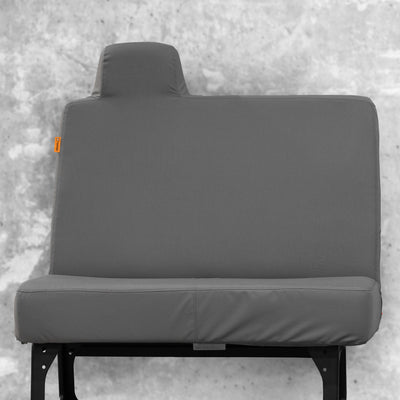
Unlike other torture tests, this one wasn't done in the cab of one of our trucks (for obvious reasons). We had a standalone seat we tried it on, in an area that wasn't at risk for burning up.

The Test Begins

With an extinguisher nearby, we set up a small fire on the seat.

As the flames licked the edges of our non-fireproof seat cover, the anticipation grew. Was it going to ignite? How would it handle the heat? Between checking the materials and flipping marshmallows, it was an experiment filled with a lot fun.

Assessing the Damage

After a while, we put out the fire to check the damage. Surprisingly, aside from a couple of little singe marks, the damage was minimal. It turns out these materials might not be fireproof, but they sure are tough to ignite—a reassuring discovery for anyone worried about their accidental flammability. And the seat underneath? That one was just fine.

Conclusion

So, what did we learn from our fiery marshmallow roast? First, these non-fireproof materials can handle quite a bit before showing signs of distress. Second, science experiments are more fun with marshmallows. While we definitely don't recommend trying this at home without proper safety measures, it's good to know that a little heat isn't going to cause immediate disaster. 

And if you are looking for fireproof seat covers, we would recommend taking a look at Wet Okole for your truck. They’re not our favorite seat cover, but they do a good job of protecting seats and they’ve got a loyal fanbase. But if you're not planning to have fires in your cab anytime soon, TigerTough should be just fine.
 
Read article

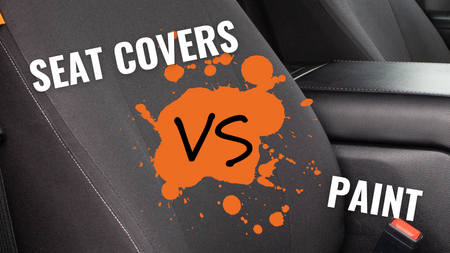
Seat Covers vs. Paint

It's not something you typically plan for, and honestly, it's hard to imagine why you'd ever need to do this, but let's talk about dealing with a sudden paint spill while in transit. Yes, it sounds like a scene straight out of a slapstick comedy, but if you ever find yourself in this sticky situation, here’s how you can manage it without turning your vehicle into abstract art.

Expect the Unexpected

First things first: You’ll unlikely ever need to clean up paint from your vehicle’s interior if you aren’t a professional painter. But, hey, life is full of surprises; sometimes, those surprises come in colorful, liquid form. If your paint cans decide to go rogue and burst open, knowing what to do next can save you a lot of hassle—and cleaning bills.

So here’s how we cleaned it up in another one of our torture tests.

Essential Supplies and Process

Get lots of paper towels. More than you think you'll need. Paper towels will be your first line of defense, helping to soak up the spill before it spreads too far and dries.

Then grab your favorite multipurpose vehicle cleaner. Ours was the cheapest one in the Walmart auto-detailing aisle.

  1. Soak up as much of the paint as possible with the paper towels.
  2. Spray the seat with a multipurpose cleaner.
  3. Continue wiping up the mess with paper towels.

After using paper towels to remove as much paint as possible, we tackled the remaining mess with an all-purpose auto interior cleaner we picked up from Walmart. This step was crucial in removing any residual paint and making sure our vehicle's interior was clean and free from any lingering odors or stickiness.

Wrapping Up

Once you've managed the immediate crisis, take a moment. It's all good—really. A paint spill in transit isn’t the end of the world, though it might feel like it in the moment. Clean up as best as you can, and toss those covers in the wash. In the meantime, keep those windows down to air out any lingering fumes.

And if you don’t have seat covers protecting your seats from paint, grease, tar, or other disasters inside your cab, now’s the time to grab some.
Read article

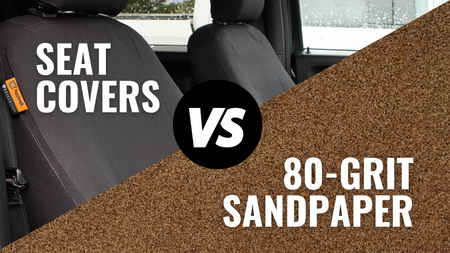
Seat Covers vs. A Power Sander

Durability is often a top concern for anyone shopping for a seat cover, especially in environments where wear and tear are part of the daily grind. That's why we decided to put TigerTough seat covers to the test in an unconventional but incredibly telling way: by using a power sander to simulate years of abuse in mere seconds.

Testing the Toughness

To start, we wanted to make sure our equipment was up to the task, so we gave our sander a quick test on some rust to ensure it was working at full capacity. Once confirmed, we focused on the real challenge—seeing how well TigerTough seat covers could handle the friction and force. Were we nervous? A little.

Going to Town

With the sander fired up and ready, we treated the seat cover like a surface prepped for painting—intense and thorough. The aim was not just to test the toughness of the CORUDRA fabric, but to see if the cover could still look good after being put in the ring with the sander.

The Results

Using 80-grit sandpaper, which is pretty coarse and unforgiving, we went to town on the seat cover. The result? Only minor scuffs. The cover remained perfectly intact, showing off its robustness and ability to withstand harsh conditions. And the seat underneath was unscathed.

This wasn’t just a minor scratch test; it was a full-on assault, and the TigerTough seat cover came through with flying colors.

Were we surprised? Not really. We know that our covers are tougher than Carhartt in friction tests, but torturing our own product is always a little intimidating.

Summary

This test clearly demonstrated why investing in high-quality, durable seat covers like TigerTough can be worth every penny. Our sander test shows that these covers are built to last for anyone in industries where vehicles take a beating or for those who just want the peace of mind that their seat covers won’t give out. And hey, if you’re not into TigerTough, there are plenty of other great seat covers for work trucks out there.

Read article

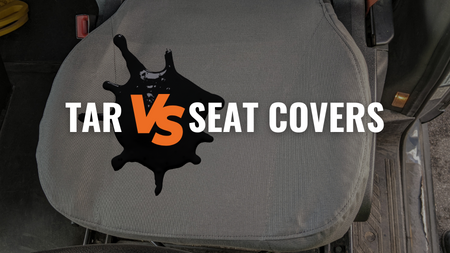
TigerTough vs. Tar: How to get tar out of a seat cover

In construction, tar smears on vehicle seat covers isn't abnormal. A paving company we work with told us about a little secret formula they've been using: brake cleaner and a putty knife to tackle tar on their seat covers.

This method wasn't something we found in any standard cleaning guide, but it was intriguing enough to put to the test.

The Experiment Takes Shape

With a healthy dose of skepticism and a can-do attitude, we launched this experiment. (Can you believe they pay us to do this?)

Our first step was, admittedly, a bit overzealous. We applied the tar liberally, more than was probably necessary. After letting it sit and dry for a couple of days, we came back to assess the situation.

Getting Down to Business

Equipped with brake cleaner and a putty knife, just as recommended, we got down to the nitty-gritty. It was a straightforward process: apply the cleaner, let it soak in briefly, then gently scrape away at the tar. This wasn't a quick wax-on-wax-off kind of job. It required about 15 minutes of diligent work, but to our surprise, the tar came off completely without leaving any damage to the seat or its cover.

A Word of Caution

Even with this success, it's important to note that this isn't your average cleaning hack. Brake cleaner is strong stuff, designed for mechanical parts, not fabric. And while a putty knife can be a handy tool, there's always a risk of nicking or cutting the material if you're not careful.

So, while we can vouch for the effectiveness of this method in our experience, it's not something we'd recommend without reservations. It's critical to use this approach with caution, understanding the potential risks to both safety and the materials you're working with.

And just like grease on seat covers, we'd recommend tossing the cover in the wash after removing tar. 

This unconventional cleaning method goes to show that sometimes, the most effective solutions come from the field, born out of necessity and practical know-how. However, it's always crucial to balance innovation with caution, particularly when dealing with powerful chemicals and manual tools. For those in the blue-collar sectors, where ingenuity meets hard work, such experiments can be part of the job. 

Read article